
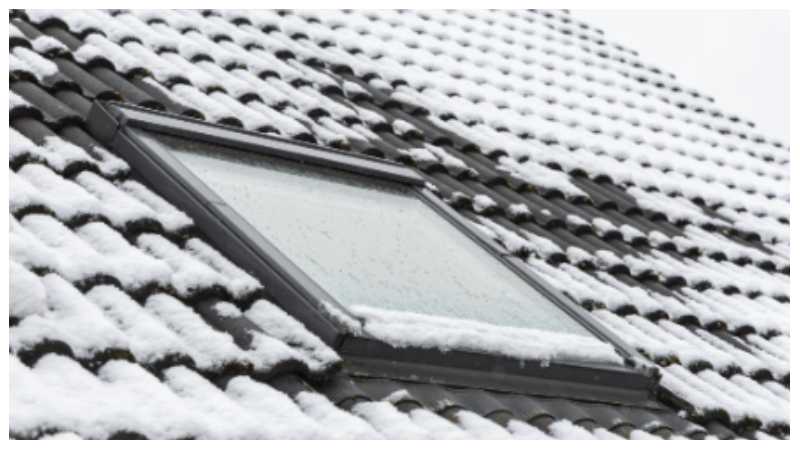
Skylights bring natural light into a home, making rooms feel brighter and more inviting. But when winter arrives, a damaged or poorly sealed skylight can become a source of frustrating roofing problems. Cold temperatures, freezing rain, snow, and repeated temperature changes can expose weaknesses around the skylight and allow moisture to enter the home.
What begins as a small ceiling stain or a cold draft may indicate a problem with the skylight’s flashing, seals, glazing, or surrounding roofing materials. Ignoring these signs can lead to damaged drywall, deteriorating insulation, and additional repair work.
If your skylight develops problems during winter, identifying the source early and arranging professional attention can help protect your roof and interior living spaces.
Why Winter Can Make Skylight Problems Worse
A skylight forms an opening in the roof, so its performance depends on the connection between the unit and the surrounding roofing system. Flashing, seals, insulation, and correctly fitted components all help protect this vulnerable area.
During winter, rain, melting snow, and ice can put additional pressure on an already damaged roof connection. Materials also expand and contract as temperatures change, potentially exposing weaknesses in aging seals or existing installation details.
A skylight that performed normally during warmer months may begin showing symptoms when cold weather arrives. This does not necessarily mean winter caused the original defect. In many cases, the weather simply makes an existing problem more noticeable.
Homeowners should therefore pay attention to recurring leaks, unusual drafts, and visible changes around the skylight rather than assuming the problem will disappear when temperatures rise.
5 Warning Signs Your Skylight Needs Attention
1. Water Stains Around the Ceiling
Brown or yellow stains near a skylight are among the most noticeable signs of a possible moisture problem. You may also see bubbling paint, peeling finishes, damp drywall, or discoloration along the ceiling shaft.
These symptoms can indicate that water is entering near the skylight or traveling through another part of the roof before appearing indoors. The visible stain does not always identify the exact point where moisture entered.
A professional inspection can help locate the source and determine whether the problem involves skylight flashing, damaged roofing materials, or another roof component.
2. Dripping Water During Winter Storms
Water dripping from a skylight during rain or when snow melts should never be dismissed as a normal seasonal occurrence.
Damaged flashing, deteriorated seals, or gaps around the installation may allow moisture to enter. Nearby roof damage can also contribute to the problem.
Repeated leakage can affect ceilings and surrounding materials, especially when moisture remains trapped out of sight. Placing a container beneath a drip may protect nearby belongings temporarily, but it does not resolve the cause.
If water is actively entering your home, arrange professional roof inspection and repair as soon as practical. Avoid climbing onto a wet, icy, or snow-covered roof to investigate the leak yourself.
3. Cold Drafts Around the Skylight
A skylight should provide daylight without creating uncomfortable drafts around the frame. If you notice cold air near the unit, the problem may involve worn seals, gaps around the frame, or insufficient insulation around the opening.
Persistent drafts can make the room less comfortable during winter and may increase the demand on your heating system.
The cause needs to be identified before any repair is selected. Replacing a seal may help in some cases, while problems involving the frame or installation may require more extensive work.
4. Condensation or Fog Between Glass Panes
Not every moisture problem around a skylight is a roof leak. Condensation can form when warm, humid indoor air comes into contact with a cold surface. This may appear as droplets on the room-facing glass or moisture around the frame.
However, persistent fog or moisture trapped between double-pane glass layers can indicate that the insulated glass seal has failed.
The distinction matters because condensation and water intrusion require different solutions. Increasing ventilation may help manage indoor humidity, but it will not repair damaged flashing or a failed sealed glass unit.
If the moisture keeps returning, appears between the panes, or occurs alongside ceiling stains, a professional assessment can help identify the actual problem.
5. Damaged Flashing or Deteriorating Roofing Materials
Flashing creates a weather-resistant connection between the skylight and the surrounding roof. When flashing becomes damaged, poorly fitted, or deteriorated, water may find a path beneath the roofing materials.
Winter weather can make these defects more apparent, particularly during wind-driven rain or periods of snowmelt.
Other warning signs include loose or missing shingles near the skylight, visible gaps, and recurring leaks after storms. These symptoms may indicate that the surrounding roof needs attention as well as the skylight itself.
Because skylight flashing is part of the wider roofing system, repairing only a visible interior stain will not address a defective roof connection.
What Happens When Skylight Leaks Are Ignored?
A small leak can appear manageable at first, but repeated moisture exposure may damage more than the visible ceiling surface.
Water can deteriorate drywall, affect insulation, stain interior finishes, and damage nearby timber or other building materials. Persistent dampness can also create conditions that support mold growth.
Moisture may remain hidden for some time before becoming visible indoors. That is why recurring stains, peeling paint, musty odors, or damp areas around a skylight deserve investigation.
Not every skylight leak leads to extensive damage, but delaying an unresolved problem makes it harder to know whether the affected area is getting worse.
Timely repair helps address the underlying defect and can reduce the risk of further damage to the roof and interior.
Why Temporary Patching May Not Solve the Problem
When water appears around a skylight, applying extra sealant over the visible area may seem like a quick solution. However, the point where water appears indoors may be different from the point where it entered the roof.
When a skylight leak keeps returning, covering the visible area with sealant may not fix the underlying problem. Damaged flashing, worn seals, or surrounding roofing materials may be responsible, so identifying the actual cause is essential. This roof skylight repair guide explains common skylight problems and the repair options homeowners may need to consider.
Depending on the issue, the work may involve repairing flashing, correcting damaged seals, replacing glass, addressing surrounding roofing materials, or replacing an aging unit that can no longer perform reliably.
When Should You Call a Professional for Skylight Repair?
Professional attention is warranted when a skylight leaks repeatedly, develops visible damage, admits drafts, or shows signs of moisture around the ceiling.
A qualified roofing contractor can inspect the roof connection, identify the source of water intrusion, and explain whether repair or replacement is appropriate.
The right solution depends on the condition of the skylight and the surrounding roof. A unit with sound framing and intact glazing may only require a targeted repair. Extensive deterioration or multiple failing components may justify replacement.
Homeowners looking for more information about common skylight problems and repair options can consult this roof skylight repair guide. Understanding the possible causes can help you discuss the problem with a roofing professional and make a more informed decision.
Protect Your Home Before Winter Damage Spreads
A leaking skylight can undermine the comfort and protection your roof is supposed to provide. Ceiling stains, water dripping during storms, persistent drafts, fogged glass, and damaged flashing are all reasons to have the area assessed.
Do not assume that a skylight problem will resolve itself when winter ends. The underlying defect may continue allowing moisture inside, even when the leak becomes less noticeable.
Arrange a professional inspection when warning signs appear, and choose a repair that addresses the actual source of the problem. Early attention can help protect your home’s interior, preserve surrounding roofing materials, and reduce the risk of more extensive damage.
A properly maintained skylight should bring natural light into your home without leaving you concerned about the next winter storm.