
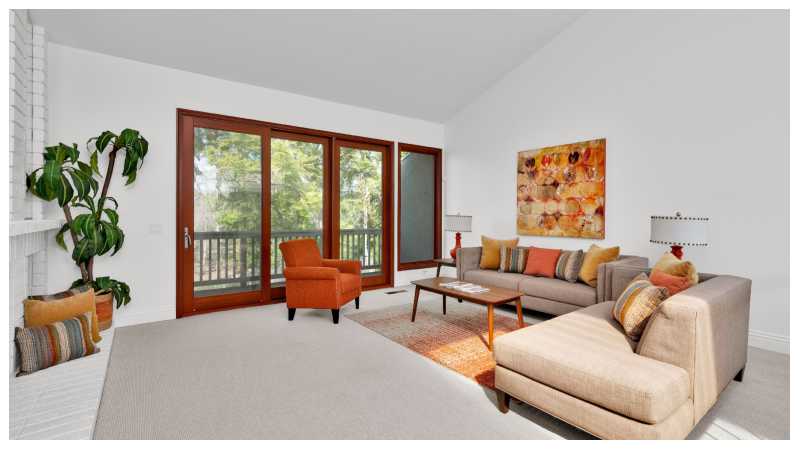
Creating a home that feels comfortable, organized, attractive, and practical does not always require a major renovation. Often, thoughtful improvements, creative decorating choices, and better use of available space can make a remarkable difference. mcnamara thehometrotters represents an approach to home living that combines useful ideas with creativity, helping homeowners discover practical ways to improve everyday spaces.
A home should reflect the people who live in it. While design trends can provide inspiration, the most successful interiors are usually those that balance appearance with comfort and functionality. From choosing suitable furniture to improving storage, lighting, colors, technology, and outdoor areas, small changes can gradually transform a property.
Understanding the Idea Behind McNamara TheHomeTrotters
The concept associated with mcnamara thehometrotters can be viewed as a practical source of inspiration for homeowners who want to make their surroundings better without making every project complicated. Home improvement is not simply about making rooms look beautiful. It is also about creating spaces that work well for daily activities.
For example, a living room should provide enough seating while maintaining a comfortable flow. A kitchen should offer convenient storage and easy access to frequently used items. A bedroom should encourage relaxation rather than feeling crowded. Even a small hallway can become more useful when storage and lighting are carefully considered.
This balanced approach makes home improvement more approachable. Instead of attempting to change everything at once, homeowners can identify the areas that create the biggest problems and improve them one step at a time.
Start With a Clear Home Improvement Plan
Before buying furniture, paint, decorations, or technology, it is useful to establish a clear plan. Walking through each room and identifying what works and what does not can reveal opportunities that may otherwise be overlooked.
Begin by considering three questions:
- What problem needs to be solved?
- What improvement would make everyday life easier?
- What changes can realistically fit the available budget?
A plan prevents unnecessary purchases and helps maintain consistency throughout the home. It can also make larger projects less stressful because each stage has a clear purpose.
For example, if a bedroom feels crowded, purchasing more decorative accessories may make the situation worse. Reducing unnecessary furniture, improving storage, and selecting appropriately sized pieces could provide a much better result.
Make Better Use of Available Space
One of the most valuable home improvement strategies is learning to use existing space effectively. Many homes contain unused corners, awkward walls, empty areas beneath stairs, or vertical space that could serve a practical purpose.
Shelves can turn an empty wall into useful storage. Baskets can organize everyday items while adding texture to a room. A narrow console can make a hallway more functional without taking up too much floor space.
Vertical storage is particularly useful in smaller homes. Tall cabinets, wall-mounted shelves, and hooks can provide additional storage while preserving valuable floor area.
The goal is not necessarily to add more furniture. Instead, it is to make every part of a room work harder while maintaining an open and comfortable atmosphere.
Choose Furniture for Both Style and Function
Furniture has a major influence on the appearance and usability of a home. Attractive furniture is important, but comfort, durability, and proportion should receive equal attention.
Before purchasing a large piece, measure the available area carefully. A sofa that looks beautiful in a showroom may overwhelm a small living room. Similarly, a very small dining table may look lost in a large open space.
Multifunctional furniture can be especially useful. Storage ottomans, extendable dining tables, beds with drawers, and modular seating can provide flexibility without requiring additional rooms.
The principles behind mcnamara thehometrotters can encourage homeowners to think beyond appearance and consider how each item contributes to everyday living.
Improve Your Home With Lighting
Lighting can completely change the atmosphere of a room. A space with poor lighting may appear dull even when the furniture and decorations are attractive.
Whenever possible, make use of natural light. Keep windows clear and choose window treatments that allow daylight to enter when privacy requirements permit.
Artificial lighting should ideally include different layers. Ambient lighting provides general illumination, task lighting supports activities such as reading or cooking, and accent lighting highlights artwork, architectural details, or decorative objects.
Table lamps, floor lamps, pendant fixtures, wall lights, and under-cabinet lighting can all serve different purposes.
Warm lighting can create a relaxing atmosphere in bedrooms and living rooms, while brighter task lighting can be useful in kitchens, offices, and work areas.
Use Color Thoughtfully
Color is another powerful tool for transforming an interior. You do not necessarily need to repaint an entire home to create a noticeable difference.
A neutral foundation can provide flexibility, while smaller areas of stronger color can introduce personality. Cushions, rugs, curtains, artwork, lampshades, and other accessories can provide color without requiring a permanent commitment.
When choosing a palette, consider how rooms connect to one another. Open-plan homes can benefit from colors that complement each other rather than making each area feel completely separate.
The best color scheme is one that supports the atmosphere you want. Soft shades can create a calm feeling, while deeper tones may add warmth and character.
Create Practical Storage Solutions
Clutter can make even a beautifully decorated home feel uncomfortable. Effective storage is therefore one of the most important aspects of successful home organization.
Start by identifying items that are rarely used. Decluttering can often create more space without requiring new storage furniture.
Frequently used belongings should remain easy to reach, while seasonal or occasional items can be stored in less accessible areas. Labeling containers can also make organization easier for households with multiple family members.
In kitchens, drawer organizers, shelf risers, and vertical storage can make cabinets more efficient. In bedrooms, under-bed containers can provide additional space. In entryways, hooks and baskets can help keep coats, shoes, and bags organized.
Bring Nature Into the Interior
Plants can add freshness, texture, and visual interest to almost any room. They can be placed on shelves, windowsills, tables, or dedicated plant stands depending on available space.
If maintaining live plants is difficult, low-maintenance varieties can be considered. Even natural materials such as wood, stone, woven baskets, and cotton fabrics can help create a more organic atmosphere.
The idea is not to turn every room into a garden. A few carefully positioned natural elements can be enough to soften a space and make it feel more welcoming.
Make Technology Work for the Home
Modern technology can improve convenience when it is selected thoughtfully. Smart lighting, automated thermostats, security devices, and connected appliances can make everyday routines easier.
However, technology should solve a genuine problem rather than simply being added because it is fashionable. Before purchasing a smart device, consider whether it provides meaningful convenience.
Cable management is another simple improvement. Cables scattered across desks and entertainment areas can create visual clutter. Cable clips, sleeves, and concealed power solutions can create a cleaner appearance.
A technology-friendly home should remain comfortable and visually organized rather than becoming overwhelmed by devices.
Improve Outdoor Areas
Home improvement should not stop at the front door. Patios, balconies, gardens, and small outdoor spaces can become valuable extensions of the interior.
A simple outdoor seating area can create a place for morning coffee, reading, meals, or socializing. Outdoor lighting can make the area more useful after sunset, while containers can introduce flowers or herbs without requiring a large garden.
Even a small balcony can benefit from folding furniture, vertical planters, and weather-resistant accessories.
Keeping outdoor areas clean and maintained is equally important. Regularly removing debris, caring for plants, and checking surfaces can preserve the appearance and usability of these spaces.
Focus on Small Improvements
Not every project needs to be expensive or time-consuming. Small improvements can have a surprisingly large visual effect.
Replacing outdated hardware on cabinets can refresh a kitchen. New curtains can change the character of a room. Rearranging furniture can improve movement and make a space feel larger. Adding a mirror can increase the sense of openness, especially in smaller rooms.
These simple projects are useful because they allow homeowners to experiment before committing to major changes.
A collection of small improvements can eventually create a substantial transformation without requiring an entire home renovation.
Maintain a Comfortable and Personal Style
Trends can be useful sources of inspiration, but they should not control every design decision. A home should feel personal rather than like a showroom.
Display meaningful photographs, artwork, books, souvenirs, or objects that reflect your interests. These details create character and help rooms feel connected to the people who live there.
At the same time, avoid filling every available surface. A carefully selected collection often has greater visual impact than a large number of unrelated decorations.
A comfortable home is one where style supports daily life rather than making ordinary activities difficult.
Sustainable Choices for Home Improvement
Home improvement can also be approached with sustainability in mind. Repairing useful furniture instead of immediately replacing it can reduce waste. Choosing durable materials can prevent frequent replacements.
Secondhand furniture can sometimes provide excellent quality and distinctive character at a lower cost. Reusing existing items in new ways can also create creative solutions.
Energy-efficient lighting, improved insulation, responsible water use, and efficient appliances can contribute to a more sustainable household while potentially reducing long-term expenses.
These choices demonstrate that improving a home does not always mean consuming more. Sometimes, the best improvement is making better use of what is already available.
Creating a Home That Grows With You
A home should be flexible enough to adapt as needs change. Families grow, work arrangements change, hobbies develop, and priorities evolve.
Rooms that can serve multiple purposes are particularly valuable. A spare room might function as a guest room, office, hobby area, or study depending on current needs. Flexible furniture can make these transitions easier.
Thinking about future needs before making major purchases can prevent expensive changes later.
This practical perspective is central to mcnamara thehometrotters, where home improvement can be understood as an ongoing process rather than a single finished project.
Final Thoughts
A beautiful home does not have to be perfect, expensive, or filled with the latest trends. The most successful spaces are usually comfortable, functional, organized, and personal.
By planning improvements carefully, using available space wisely, choosing functional furniture, improving lighting, organizing storage, adding natural elements, and making thoughtful technology choices, homeowners can create spaces that genuinely support their lifestyles.
Ultimately, mcnamara thehometrotters can serve as an inspiration for approaching home improvement with creativity and practicality. Whether you are making a small decorating adjustment or planning a larger renovation, the most important goal is to create a home that feels useful, welcoming, and distinctly your own.